- Published on
DeepSeek Reportedly Plans to Lead Winverse AI Seed Round at $400 Million Valuation
One tap, and our reporting appears more often in your Google Top Stories. It makes a real difference to a small newsroom.

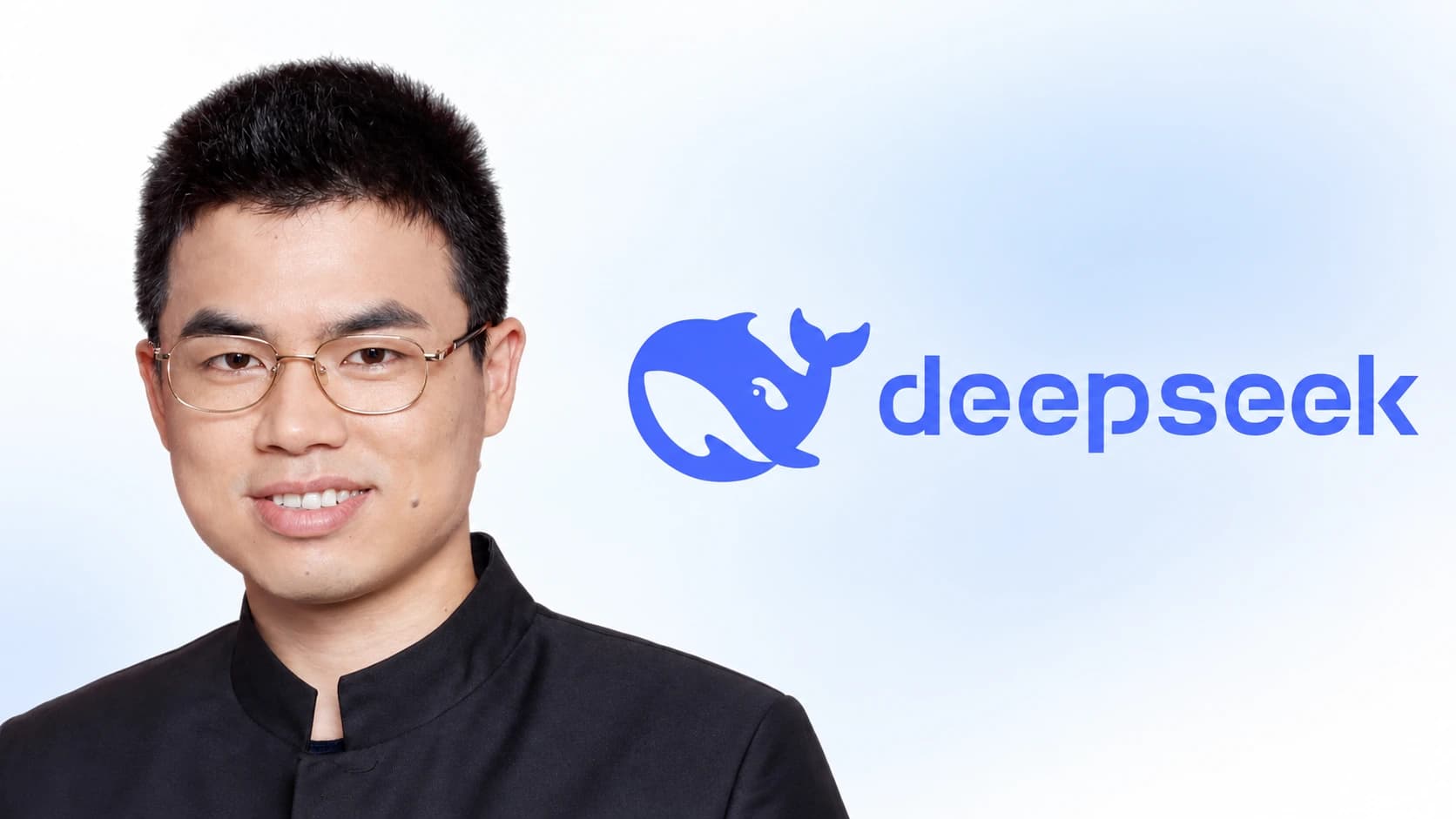
DeepSeek reportedly plans to lead a seed financing round for Winverse AI, a startup developing AI for robots founded by former Tencent scientist Han Hu. The proposed deal would value the company at approximately $400 million after the investment, according to Bloomberg.
- Bloomberg reports that DeepSeek has agreed to lead a seed round of tens of millions of dollars for Winverse AI.
- The roughly $400 million figure is the proposed post-investment valuation, not the amount being raised.
- The transaction has not been finalized, and its terms and investor participation could change.
- Founder Han Hu previously led Tencent’s vision-language and embodied foundation-model teams.
A proposed bet on robot intelligence
Citing people familiar with the matter, Bloomberg reports that Winverse has also attracted commitments from other investors, including Meituan’s Long-Z Investments. The months-old company remains in stealth, and the report does not detail a product launch or technical architecture.
The distinction between the round size and valuation is significant: investors would collectively provide tens of millions of dollars, while valuing the business at around $400 million once that investment is included. Bloomberg says the transaction is still subject to change. Hu, DeepSeek and Long-Z did not respond to its requests for comment.
For the robotics industry, the potential investment is notable because it would bring backing from a major AI model developer to a company focused on robot intelligence. It does not, by itself, establish how DeepSeek’s models might be used by Winverse or whether the companies would jointly develop technology.
Follow humanoid robotics without following every announcement.
Get the week’s most important launches, funding and research—and why they matter—in one email from Humanoids Daily.
Once a week. Unsubscribe anytime.
Read recent issuesFrom computer vision to embodied AI
Hu’s personal research page documents a career spanning computer vision, language models and embodied AI. It identifies him as the head of Tencent’s vision-language and embodied foundation-model teams, with earlier roles at Microsoft Research Asia and Baidu Research. He holds a doctorate from Tsinghua University and was an author of Swin Transformer, which won the ICCV 2021 best paper award.
The page uses the name Han Hu, while Bloomberg refers to him as Hu Han. It still lists his Tencent position; the account of his departure and creation of Winverse in 2026 comes from Bloomberg’s reporting.
Winverse would join a growing field of companies developing the intelligence needed to make robots useful across tasks and environments. The commercial challenge extends beyond understanding an instruction to carrying it out reliably on physical hardware. For now, the news concerns the capital and research talent behind that effort: Winverse’s capabilities and deployment plans remain to be detailed publicly.
Share this article
Follow humanoid robotics without following every announcement.
Get the week’s most important launches, funding and research—and why they matter—in one email from Humanoids Daily.
Once a week. Unsubscribe anytime.
Read recent issuesRead next
- Published on
- Reading time
- 5 min read
What Is Worken? AGIBOT’s Proposed Measure of Productive Robot Work
- Published on
- Reading time
- 6 min read
How AGIBOT’s Physical Reasoning Dataset Connects Planning With Robot Actions
- Published on
- Reading time
- 7 min read
AGIBOT Introduces Worken, New AI Models and G2 Max at Innovation Day 2026
- Published on
- Reading time
- 3 min read
Unitree’s Quarterly Revenue Surges 70% as R&D Spending Weighs on Profit
- Published on
- Reading time
- 3 min read
Robbyant’s Embodied AI Challenge Will Send 15 Teams to a Real-Robot Final in Shanghai
- Published on
- Reading time
- 3 min read
XPENG Says IRON’s Solid-State Battery Has Entered Small-Batch Production